A quartz countertop is made up of 93% natural materials quartz and granite combined with 7% additives (binders and color pigments). On the Mohs hardness scale, quartz has a hardness rating of 7 (diamond rates 10). The product has practically identical properties compared to granite.
Quartz is naturally beautiful, durable and hygienic as a surface material, making it an excellent choice for kitchen countertops. Additionally, quartz is widely used for bathroom surfaces and other interior finishing elements. Products made from quartz have practically identical properties to granite.
Since quartz is engineered stone, or pressed granite, its colors and structure are always consistent and the material’s porosity is minimized. The lower the porosity, the more hygienic and easier to clean the surface is. Compared to natural stones, quartz also offers a significantly wider range of colors, especially among lighter shades. Quartz responds well to cutting work because its fine, sandy texture leaves a smooth cut surface, allowing the material to be easily shaped and different colors combined.
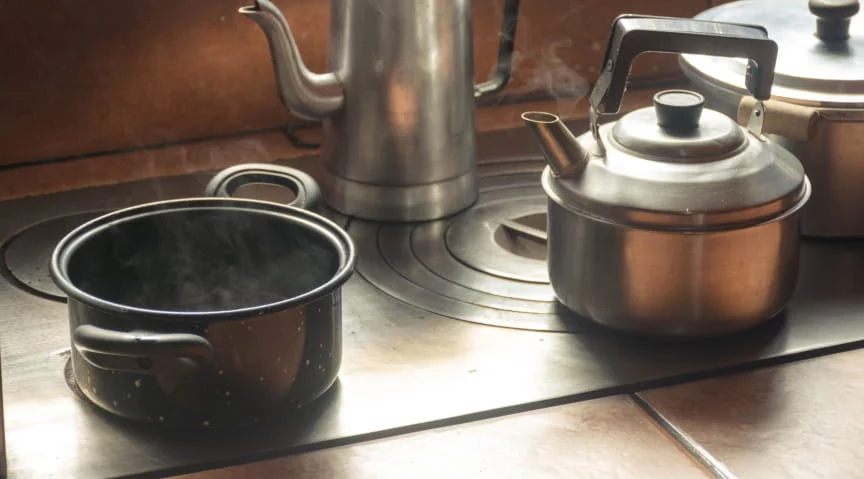
Like all materials, quartz maintains its good qualities and appearance for decades with proper care. Quartz surfaces are easy to maintain. Common household substances (wine, vinegar, tea, coffee, lemon juice, fruit and vegetable juices, olive oil and fats) can be easily removed and the surface’s original appearance quickly restored. Quartz is relatively heat resistant, but to avoid damage to the countertop, using a trivet is recommended even with this stone.
Quartz is made from hard minerals, which gives it a high level of strength, making it ideal for kitchen countertops.
Briefly placing a hot pan or a pot of boiling water directly on a quartz surface will not damage stone that is 20 mm or 30 mm thick, as long as the pot or pan is not placed on weaker areas of the surface (such as edges or cutouts). However, it is still recommended to use trivets.

Quartz products are similar to granite but are several times less porous, which means surface stains can occur but are easily removable. Quartz is harder than marble and is mostly made of silicates, making it resistant to acids as well.

Quartz stone is an industrially produced material containing over 93% natural components and smaller amounts of other ingredients to maintain the correct color and consistency. For countertop production, quartz is cut to the desired size, and the edges and surface are finished. Quartz countertops are durable, water-resistant, easy to maintain and, with proper care, last a very long time.
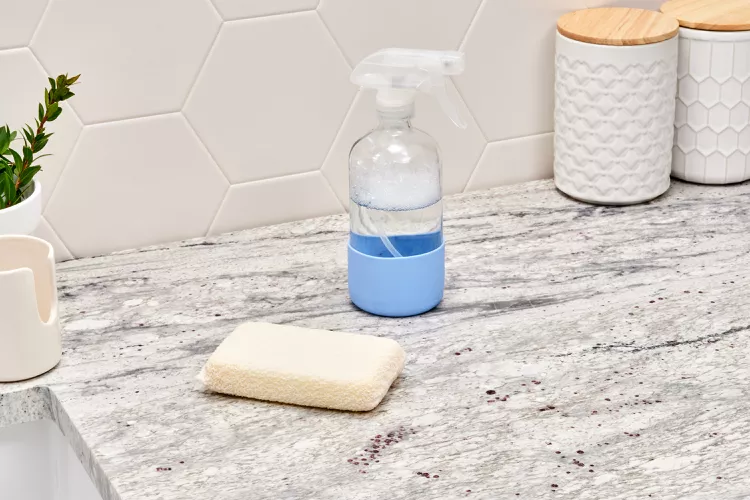
For daily cleaning of quartz surfaces, we recommend using a damp microfiber cloth, warm water and, if needed, a neutral (pH 7), mildly alkaline (pH 8-10), or mildly acidic (pH 4-6) detergent. It is preferable to use products specifically designed for quartz stone, but everyday cleaning can also be done with dishwashing or glass cleaning detergents (e.g., Frosch). Avoid highly acidic or bleach-containing cleaners.
The stone surface is also sensitive to abrasive materials—micro-scratches can be caused by steel wool or sand grains trapped in a cleaning cloth.
Polished quartz countertops do not require impregnation when used indoors. Countertops with other surface finishes also generally do not need impregnation under normal use.
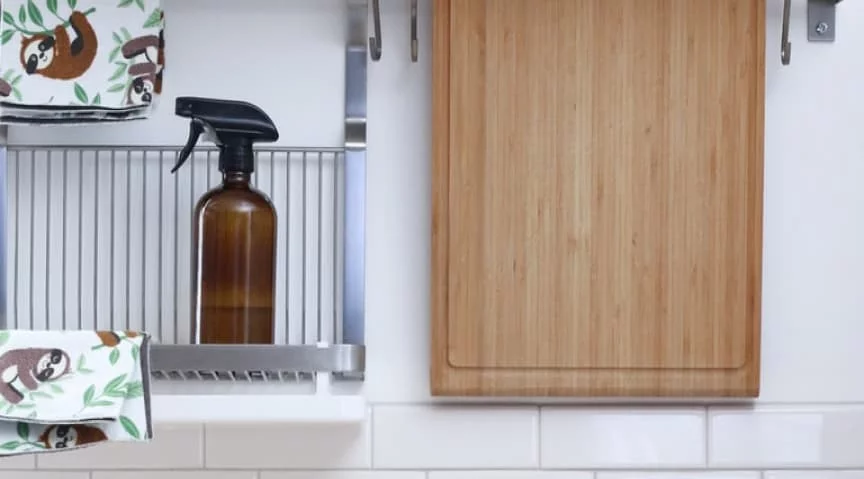
Quartz surfaces should be carefully protected against stains. Avoid exposing the countertop to chemicals and corrosive substances. The best way to prevent stains is to immediately remove any dirt or spills before they can dry. Cleaning with paper towel, water and detergent is usually sufficient.
For tougher stains, we recommend using products specifically designed for quartz surfaces. After using such products, it is advisable to wash the countertop again with water and detergent.
Quartz stone is not completely heat resistant and can withstand temperatures up to 170°C. Heat damage may occur on the surface (e.g., marks from hot cookware) because the resin in quartz begins to melt at high temperatures. For example, when placing hot items on surfaces containing mirror chips, using trivets is strongly recommended to prevent damage. We do not recommend placing hot objects directly on these surfaces, even temporarily.
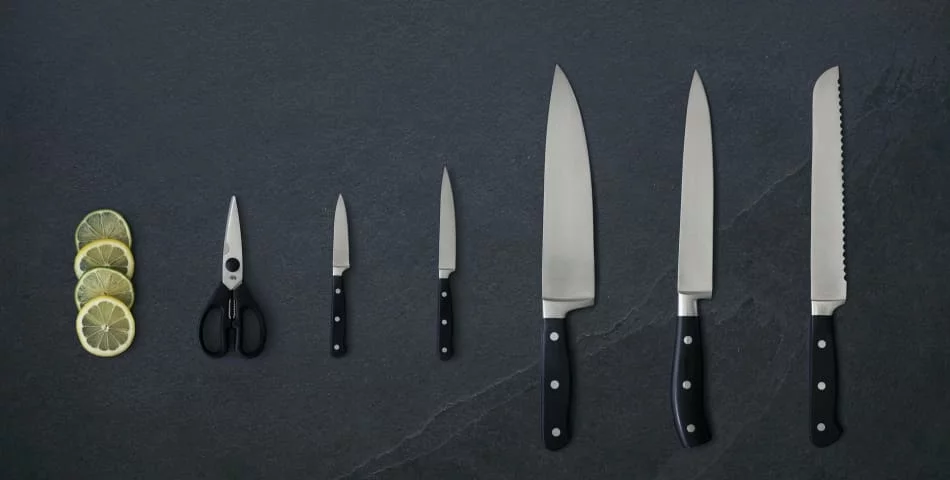
Although quartz is fairly scratch-resistant, we still advise using cutting boards to avoid potential damage.